What marketing skills AI cannot automate in India
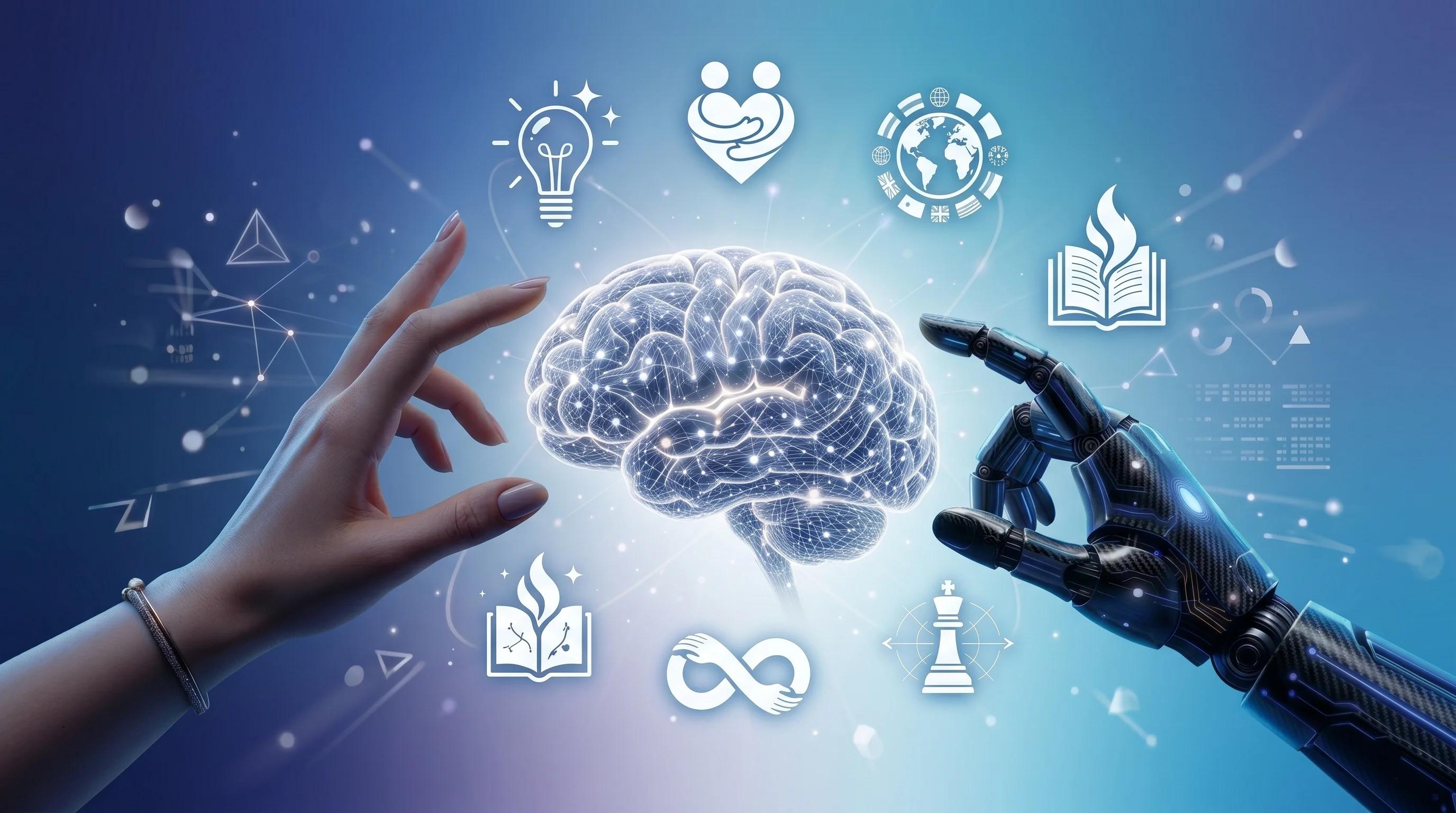
AI is writing ad copy. AI is generating creatives. AI is running A/B tests, scheduling posts and predicting purchase intent. And yet, the best marketing teams in India are not shrinking; they are doubling down on the skills that no algorithm can replicate.
Here’s the honest truth: AI is an exceptional executor but a poor thinker. It can produce, but it cannot understand. It can personalise at scale, but it cannot feel. And in a country as culturally layered and emotionally driven as India, that gap is enormous.
If you’re a marketer wondering whether your role is at risk, the answer depends entirely on which skills you are building. The ones who will thrive are those who master what machines fundamentally cannot do.
Whether you’re a brand manager, a freelancer or an in-house marketer, Arismeta works with professionals who want to build future-proof marketing careers grounded in both strategy and real execution.
Why Human Creativity Still Wins Over AI in Indian Marketing
India doesn't have one consumer. It has hundreds, segmented by language, religion, region, income level, and generational mindset. A campaign that resonates in Mumbai might fall completely flat in Madurai.
AI cannot hold that in its hands. It can pull data patterns, but it cannot feel the cultural weight of a festival, understand why a regional metaphor lands differently, or know when humour crosses a line in a particular community.
Human creativity in Indian marketing is not just about ideation. It's about cultural intuition, contextual judgment, and the ability to build emotional bridges between a brand and people who live vastly different lives. That is a skill no AI tool is close to replacing.
Arismeta's digital marketing consulting services are built around this exact philosophy; strategy that is rooted in human insight, not just automation.
5 Marketing Skills Indian Professionals Must Build Beyond AI Tools
India is not a single market. It is 28 states, hundreds of dialects, dozens of religions and consumer mindsets that shift every 100 kilometres. AI can process data from all of it. But understanding it, truly understanding it is still entirely human work. Here are the five skills that will separate great Indian marketers from replaceable ones.
- Cultural storytelling: The ability to craft narratives that speak to regional identities, not just demographics. Data can tell you who your audience is. It cannot tell you how they see themselves. Cultural storytelling is the skill of knowing which story to tell, in which tone, and through which cultural frame.
AI can generate culturally themed content. It cannot generate cultural understanding. Great Indian marketers don't just localise campaigns; they build narratives that make people feel genuinely seen.
- Stakeholder communication: Presenting strategy to leadership, clients and cross-functional teams in a way that builds confidence and drives decisions. AI cannot read the room.
AI can generate a presentation. It cannot sense mid-meeting that the CFO is sceptical and pivot the narrative on the spot. It cannot notice when a local analogy lands, or when the energy in the room shifts. These micro moments define real outcomes.
For Indian marketers working across hierarchical corporate structures, family-owned businesses, and fast-moving startups, this step is not optional, it is foundational.
- Brand positioning Judgment: Knowing not just what to say, but when to stay it and what to stay silent about, especially in India’s evolving social and political landscape.
AI operates on historical patterns. It cannot tell you that this week is the wrong moment for a celebratory campaign. It cannot assess reputational risk in real time or catch a tone-deaf post before it explains months of brand equity.
That judgment; the instinct to hold back, pivot or lean in is powered entirely by human experience and situational awareness.
- Consumer Empathy: Going beyond user personas and actually understanding the aspirations, frustrations and buying psychology of Indian consumers across tiers.
For Tier 2 and tier 3 India, buying a premium product is often not about the product; it is about what it signals to their community. AI can identify buying patterns after they happen.
Human empathy anticipates them before they do and builds the brand relationships that turn one-time buyers into local advocates.
- Campaign tracking and interpretation: While AI generates reports, humans must draw meaningful conclusions. Understanding tools like UTM parameters and campaign attribution is still a core, irreplaceable skill.
AI can produce a dashboard full of metrics. It cannot tell you why a campaign underperformed in Maharashtra while overperforming in Karnataka. It cannot connect a traffic spike to an offline event from last week.
Campaign interpretation means knowing which metrics actually matter, how to interrogate the data rather than just consume it, and how to turn numbers into decisions.
In India’s complex, multi-channel consumer journeys, that analytical judgment is what makes a marketer genuinely accountable for growth, not just reporting on it.
How to Stay Irreplaceable as a Marketer in India's AI Era
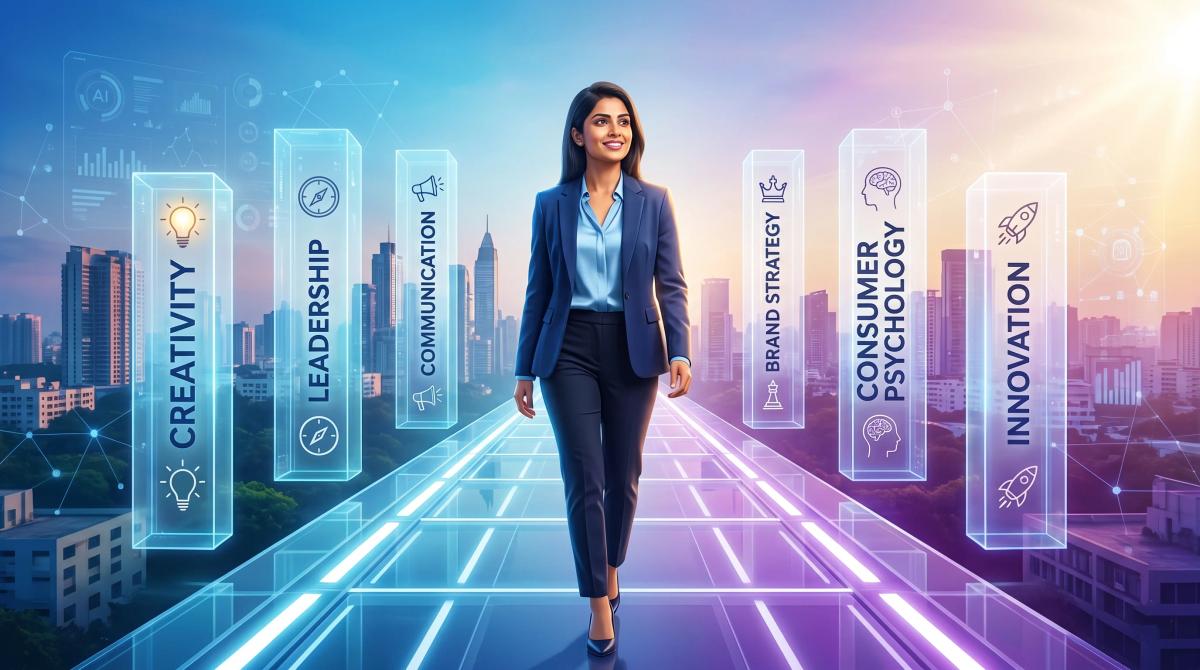
The marketers who are future-proof are not the ones resisting AI. They're are the ones using it as a tool while owning the thinking layer above it.
Here's what looks like practically:
Use AI to produce first drafts, then bring in cultural nuance it misses. Use AI to analyse data, then bring in the strategic interpretation it can’t provide. Use AI to automate repetitive execution, then use the time you save to deepen client relationships, sharpen your positioning instincts and build influence.
The shift is from being a doer to being a thinker who can direct doers including AI ones.
Emotional Intelligence: The Marketing Skill AI Will Never Replicate
Emotional intelligence in marketing isn’t soft; its strategic. Knowing how a customer feels at different stages of a journey, recognising anxiety during a high-ticket purchase, understanding the pride behind a first-time buyer in a Tier 2 city; these are invisible signals that drive conversion far more than any keyword.
AI can identify behavioural patterns. It cannot build trust. It cannot notice when a brand tone feels off for a grieving community or when warmth is more important than wit. These calls are human and always will be.
Indian consumers are among the most emotionally engaged buyers in the world. That means emotional intelligence isn't a bonus for Indian marketers; it's a baseline requirement.
How Arismeta Helps Indian Businesses Grow Skills That AI Can't Match
At Arismeta, the belief is simple: technology should amplify human thinking, not replace it. Whether it’s building brand strategy, running performance campaigns, or helping businesses navigate India’s complex consumer landscape, Arismeta brings together the consulting depth and execution capability that AI tools alone cannot deliver.
Learn more about Arismeta’s approach and values and discover what it means to work with a partner that backs human-led strategy with smart, scalable execution.
FAQs
What marketing skills cannot be automated by AI in India?
Skills like cultural storytelling, emotional intelligence, stakeholder communication, brand positioning judgment and consumer empathy cannot be automated. These require human contextual understanding that AI is structurally incapable of replicating.
Is AI replacing digital marketers in India?
No. AI is replacing repetitive, execution level tasks; not strategic thinking. Indian marketers who develop skills in judgment, creativity, and cultural insight are becoming more valuable, not less.
How can Indian marketers stay relevant in the age of AI?
By focusing on the skills AI cannot perform cultural nuance, emotional intelligence, strategic interpretation of data, and strong client communication. Use AI as a productivity tool, not as a replacement for thinking.
Why is emotional intelligence important in Indian marketing specifically?
Indian consumers make emotionally driven purchase decisions influenced by culture, family, community and aspiration. Marketers who can connect at that emotional level consistently outperform those relying purely on data and automation.
What is the role of a marketing agency & consulting firm in an AI-driven market?
A marketing agency and consulting firm help brands navigate the evolving AI-driven landscape by combining data insights with strategic thinking, creativity, and human expertise. While AI can support analysis and automation, experienced consultants bring audience understanding, positioning clarity, and long-term brand strategy. Understanding the difference between marketing agency & consulting firm roles can help businesses choose the right growth partner and approach for their marketing goals.